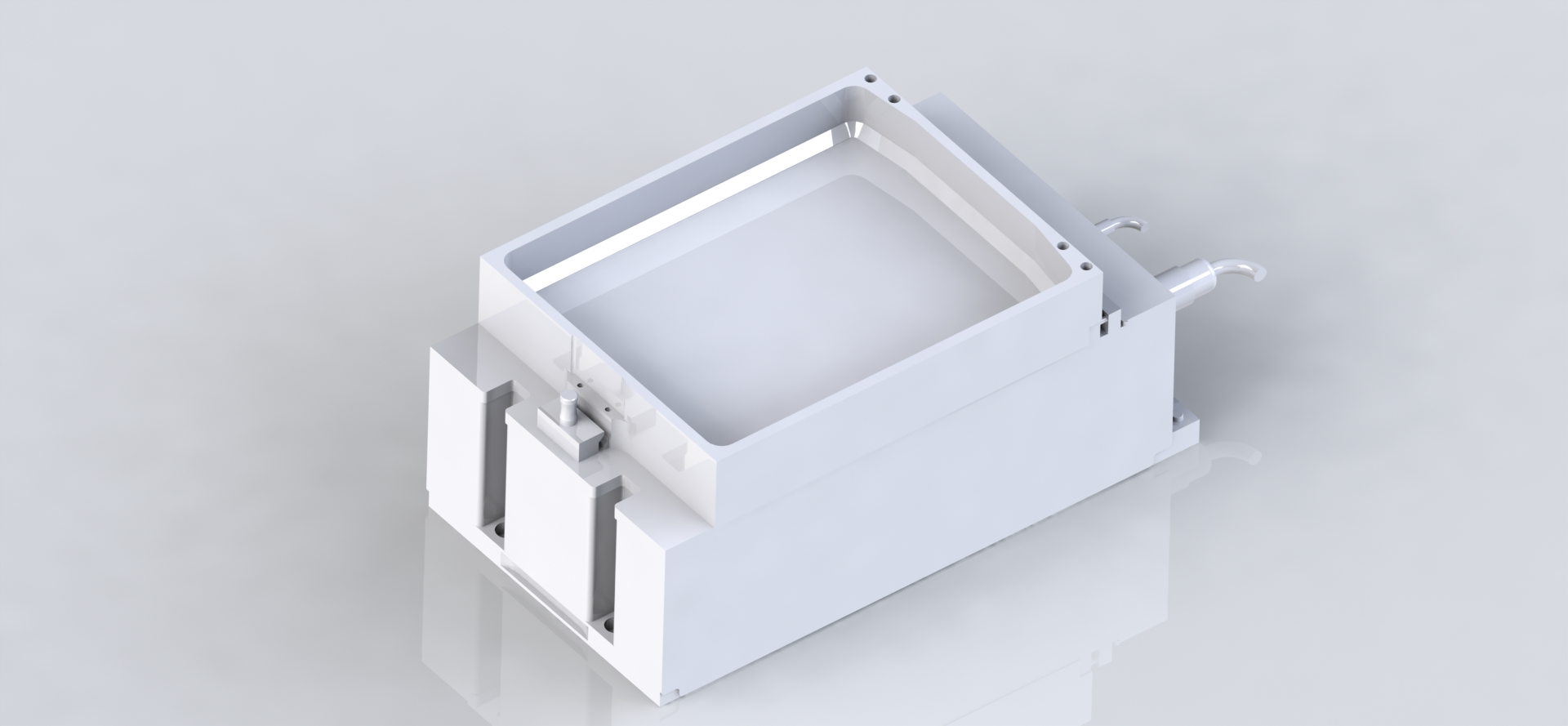
Flexible vibratory feeder usually works with a vision system,a robot handling system, and a control system(HMI). As a modular station, it is easy to integrate flexible vibratory feeder into both new and existing production lines.

Specification
尺寸Dimensions(mm)
| Model |
A |
B |
C |
D |
Part size |
| FF-00 |
70 |
50 |
312 |
77 |
0.5-4 |
| FF-01 |
150 |
100 |
450 |
107 |
3-10 or <15 long and thin |
| FF-02 |
205 |
160 |
318 |
167 |
3-30 or <50 long and thin |
| FF-03 |
294 |
230 |
450 |
234 |
5-50 or <70 long and thin |
| FF-04 |
394 |
310 |
550 |
314 |
15-80 or <100 long and thin |
| FF-05 |
384 |
494 |
650 |
400 |
20-120 or <150 long and thin |

Electrical
| Communication |
RS485、I/O |
| Power |
DC 24V 8A |
| Software plug-in |
FAUNC、Adept、EPSON、ABB、UR |
Options
| Integrated LED backlight |
Red、green、blue、white、infrared |
| Vibratory pan |
Flat/holes/grooves/nests/various materials |
| Hopper |
As requirements |
| Pan material |
As requirements |
Our services are below:
Preliminary analysis
Technical supporting and feasibility test
Layout and cycle time optimization
Equipment design
Real-time assistance and diagnose
Training
On-site supporting for system Ramp-up
Remote supporting
HUILIDE flexible vibratory feeder is avaible in a range of different designs and sizes, which mean it can easliy configured for any workshop or production line.
What is a flexible feeder?
A flexible feeder is a type of machine that is used to feed and sort small parts and components in a production line. It is called flexible because it can be adjusted to handle different types of parts and can be easily integrated into various production processes.Flexible feeders are commonly used in industries that require high-speed assembly and packaging of small parts, such as electronics, medical devices, and automotive manufacturing. They can help improve efficiency and accuracy, reduce waste, and minimize the risk of errors and defects.Overall, flexible feeders are an essential tool for modern manufacturing, as they provide a reliable and flexible solution for sorting and feeding small parts in a fast-paced production environment.
The importance of using flexible feeder products in various industries
Flexible feeder products play a crucial role in various industries by simplifying the process of parts handling and assembly. These products are designed to feed, sort, and orientate different types of parts, such as screws, nuts, bolts, and other small components, in an efficient and cost-effective manner.
One of the main advantages of flexible feeder products is their versatility.
They can handle different shapes, sizes, and materials of parts, allowing manufacturers to use them in a wide range of applications.
Moreover, flexible feeders are easy to set up and adjust, making them ideal for small-batch production and prototyping. manufacturers to use them in a wide range of applications.
In addition to their versatility, flexible feeders can significantly improve the overall productivity and efficiency of the production process. They can work at high speeds and can handle large volumes of parts, reducing the need for manual labor and increasing throughput.
Furthermore, flexible feeders can reduce the risk of errors and inconsistencies, which can lead to higher-quality products and fewer defects.
Overall, the use of flexible feeder products is essential for various industries that require automated material handling and assembly. By using these products, manufacturers can save time, reduce costs, and improve the overall efficiency of their production process.
Factors to consider when selecting flexible feeder products
When choosing a flexible feeder, there are several factors to consider to ensure that the feeder will meet your specific needs. Here are some important factors to consider:
Part size and shape: The size and shape of the parts you will be feeding should be taken into account when selecting a flexible feeder. Some feeders may not be suitable for larger or irregularly shaped parts, so make sure the feeder can accommodate your specific parts.
Material type: The type of part material can affect the feeding process. Some materials may require specific feeders or modifications to the feeder to ensure proper feeding.
Feeding rate: The rate at which the parts need to be fed is an important consideration. Some feeders may not be able to keep up with high-speed production lines, so make sure the feeder can handle your required feeding rate.
Changeover time: If you will be using the feeder for multiple types of parts, consider how quickly the feeder can be reconfigured for different parts. A longer changeover time may result in decreased productivity.
Compatibility with downstream equipment: The feeder should be compatible with the downstream equipment, such as sorting and packaging machinery, to ensure a smooth production process.
Maintenance requirements: Consider the maintenance requirements of the feeder, including cleaning and replacing parts, to ensure that the feeder can be easily and efficiently maintained.
Cost: Finally, consider the cost of the feeder, including the initial purchase price, ongoing maintenance costs, and any necessary modifications, to ensure that it fits within your budget.
If you have any inquiry about flexible feeder,would you please send us by email:david.su@hldmachine.com?