
Flexible Part Feeding Over Traditional Part Feeding Methods
Benefits of Flexible Part Feeding
Integrators who manufacture assembly automation and OEMs need reliable flexible part handling equipment. They face a major challenge: how to get parts into assembly machines. The goal is to minimize workcell requirements and keep costs down.
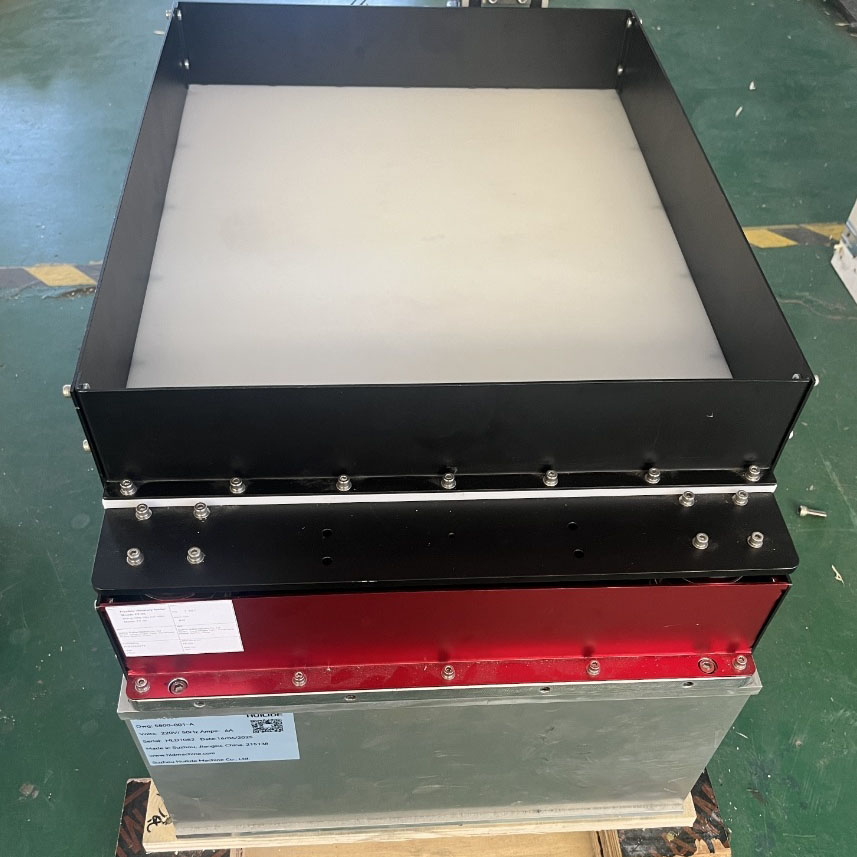
Whether you want higher productivity, lower costs, or new product variants, flexible part handling systems are a strong choice. They suit applications with complex parts and frequent part changes.
Common applications include small parts assembly (mechanical and electrical), material handling, and packaging.
Limitations of Traditional Part Feeding Processes
Feeding parts into an assembly process traditionally uses many fixed methods. Some parts arrive scattered in boxes or bins, in multiple orientations. These parts can be heavy or awkward to lift, position, and orient into a workcell.
Other processes use dedicated feeders, such as vibratory bowl feeders, gravity-fed part tubes, stacked or fixed tooled material. Parts are usually loaded onto dedicated pallets. These methods often cause high costs, large floor-space requirements, and poor flexibility. They are also difficult to maintain.
It can be hard to ensure parts enter assembly undamaged, in the correct orientation, and in the most cost-effective way. Detailed traditional processes create extensive waste and become inefficient over time.
Many traditional processes need manual operations to move parts from one point to another. Parts may be difficult to move by hand because of their size or shape. They can cause downtime due to complex workcells, mistakes, or injuries.
Lower yields happen when the wrong parts enter a station. This can damage tooling. The more parts are handled and fixtured, the higher the chance of part damage before assembly. Installing, integrating, and maintaining dedicated tooling can also be expensive.
Space is limited in an assembly workcell. Consolidating assembly steps without expanding the workcell footprint can be cost-effective.
For traditional feeding, adding multiple operations to one workcell can lead to costly tooling. It creates a congested assembly workspace. This results in longer downtime and difficult repairs. Quality suffers when processes cannot be refined or parameters adjusted easily.
Flexible part feeding solves these issues effectively and efficiently.
Flexible Part Feeding vs Traditional Methods
| Traditional Part Feeding | Flexible Part Feeding |
|---|---|
| Processes distributed to multiple workcells | Consolidated processes — same workcell footprint |
| Fixed parts placed with no costly fixtures | Randomly placed parts |
| Frequent costly part changes | Vision allows simple, low-cost part changes |
| High cost manual or fixed tooling for part feeding | Low-cost automatic part feeding |
| Multiple orientations presented in boxes or bins | Using vision, the robot can find parts in any orientation |
| Heavy/awkward parts | Robots can handle parts easily |
Where Flexible Part Feeding Is Right
Flexible part feeding suits these use cases:
- Loading machine tools as part of unattended operations
- Feeding parts into an assembly line
- Picking and packing food from a moving conveyor
- Picking parts from boxes or bins in an assembly operation
- Sorting easily tangled items
Typical industries:
Battery manufacturing
Consumer electronics and small parts assembly
Commercial goods
Medical device assembly
Cosmetic kitting
Solar wafer handling
Pharmaceuticals