
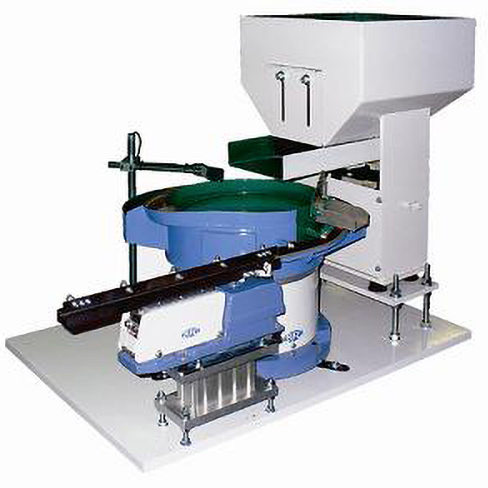
How to Troubleshoot a Vibratory Bowl Feeder: Follow 12 Easy Steps
A vibratory bowl feeder often runs slowly or vibrates weakly after long operation. This vibratory bowl feeder troubleshooting guide lists 12 practical steps to help you quickly diagnose and fix common feeding failures.
Step-by-Step Vibratory Bowl Feeder Troubleshooting
Vibratory Bowl Feeder Troubleshooting:Mechanical Mounting & Structural Checks (1–6)
1. Check if the vibratory tray is mounted properly
If your vibratory bowl feeder has insufficient vibration or runs slowly, the feeding tray or base plate is likely improperly mounted. Check the mounting arrangement and tray height. Make sure the assembly keeps good rigidity.
2. Set the coil gap properly
The coil gap directly affects feeder performance. For AC vibratory bowl feeders, keep the gap between 0.030” and 0.060”. Ensure the coil and striker plate stay parallel.
3. Change the rubber feet
Feeding speed often drops as rubber feet age. Continuous use changes rubber hardness. The rubber may swell or harden. Replace rubber feet once feeding rate declines.
4. Check and replace cracked springs
A cracked spring reduces feed rate, and may stop the whole feeder. Cracks usually appear near spring holes. Inspect the holes with a magnifying glass. Polish the spring with emery cloth for clearer checking. Replace cracked springs right away.
5. Tighten the clamps that are holding the bowl feeder
Toe clamps fix the bowl feeder during production. Loose clamps lead to slow and irregular part movement. Tighten the toe clamps to hold the vibratory bowl feeder firmly.
6. Clean the bowl feeders, feeding tray, and base plate
Dust and residue disturb vibration stability. Clean the bowl, base plate and feeding tray regularly. Regular cleaning maintains stable feeding performance.
Vibratory Bowl Feeder Troubleshooting:Vibration, Power & Load Testing (7–12)
7. Check power supply and controller setting
Check input voltage to the vibratory feeder controller. Wrong voltage or unstable power causes weak vibration. Reset the controller amplitude knob to test vibration strength.
8. Inspect part jamming and track wear
Scratches or deformation on the bowl track will jam parts. Remove burrs and repair worn tracks. Smooth tracks ensure steady part orientation.
9. Check for loose fasteners on the base
Loose bolts on the base will absorb vibration. Re-tighten all base bolts. Test vibration again after tightening.
10. Isolate external vibration interference
Nearby machines may transfer extra vibration. This disturbs the bowl feeder’s resonance. Add isolation pads or separate the feeder from vibration sources.
11. Verify resonance status
Vibratory bowl feeders work at resonance. If vibration suddenly becomes weak, the system may leave resonance range. Re-adjust coil gap and spring combination.
12. Test under actual load conditions
Test the feeder with your real parts. Empty bowl performance differs from loaded status. Fine-tune vibration amplitude according to real feeding material.
Regular Maintenance for Vibratory Bowl Feeders
Good daily maintenance reduces breakdowns. Check rubber feet, springs and fasteners periodically. Keep the bowl clean to cut down your vibratory bowl feeder troubleshooting work.
Would you please review our custom vibratory bowl feeder for more information?